
Yves Rechsteiner booked our stay a few weeks before his family’s arrival. From the very first exchange, I sensed his meticulousness: an insistence on detail, a sharp awareness of budget, all punctuated by the quiet knowing of someone who had journeyed far and wide. He spoke of Indian cities and transit systems as though he had memorized their pulse, weaving his questions with the ease of a seasoned traveler. Like many of the foreigners who found their way to our homestay, whether for days or weeks, something deep within me stirred – a quiet certainty that the Rechsteiners would not be the usual ‘tourists.’
Over the last couple of years, we had hosted an array of kindred spirits – Jean from the US, a 75-year-old solo female traveler; Layne and Nathan, a father-son duo adventuring through Northeast India in a self-driven auto rickshaw; Gerrit and Gerrit Jr., another American father-son pair who were motorcycling their way across Northeast India; Lars, our longest-staying guest from Germany; Carol and Sylvia, retired English slow travellers who stayed for approximately six weeks and two weeks respectively, just enjoying places in and around Nagaon. Each of them was an eccentric, a rare soul brimming with stories. Not rebels, but seekers – of a life richer, deeper, fuller. Sensitive, curious, reverent of boundaries yet delightfully open.
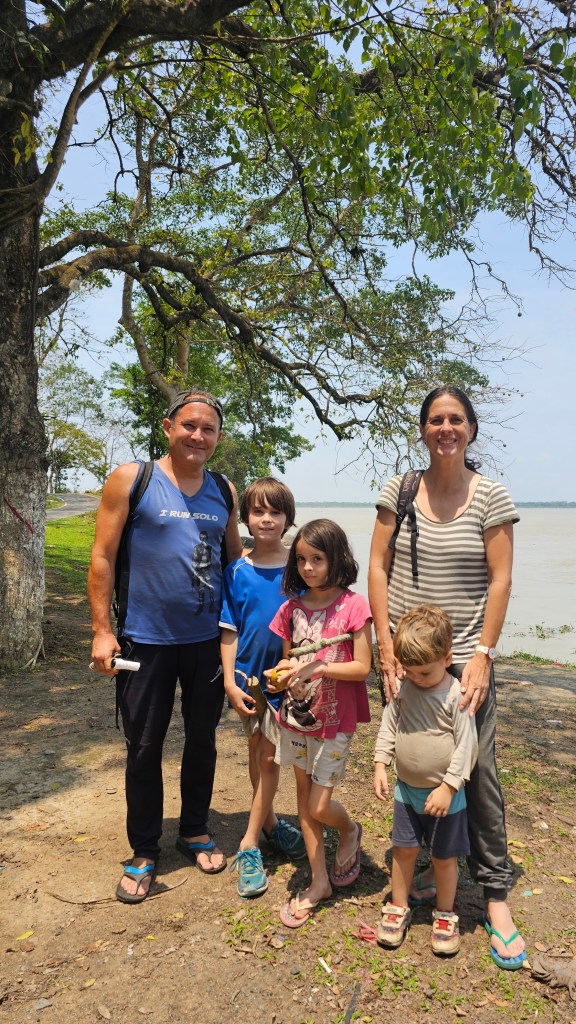
Yves and his family, from Switzerland, were no exception. In fact, their story is one I feel compelled to share with the world. For, in my experience, I am yet to meet a family so unforgettably alive.
Yves and Corina are raising their children through homeschooling, worlds-chooling: living by the compass rather than the clock. Yves, once a solo traveler and a storyteller of roads less taken, found in Corina not just a partner but a kindred soul, one who shared his thirst for the world and its stories. Together, they chose a life where the earth is the classroom, and each new place a chapter in their unfolding tale.
Then came Vincent, their eldest – shy at first glance, but quick-witted and quietly observant. He’s around twelve now and has already wandered through more than forty countries, collecting memories instead of medals. Next is Olive, a sweet little girl – eight or nine, perhaps – with the wildest imaginations, who speaks in metaphors and imagines worlds within worlds. Her passport may boast slightly fewer stamps than her brother’s, but her mind holds galaxies. And then there’s Dylan – the cherubic youngest, only about three, with cheeks full of stories yet to be written, and already a veteran of a dozen countries.
I confess, I don’t remember the exact numbers of their ages and the countries they have explored, nor did I ever ask with a pen in hand or a recorder ready. I couldn’t. The idea of documenting them clinically felt absurd in the presence of such vivid, unfiltered living. Their energy was untamed and infectious, much like Yves’ vlogging style: raw, real, joyously spontaneous.
That was eight months ago. They must have added more countries to their list, and time has surely blurred the specifics, but the impressions remain as vivid as ever. This piece is based on these impressions and the few instances I can recall clearly.
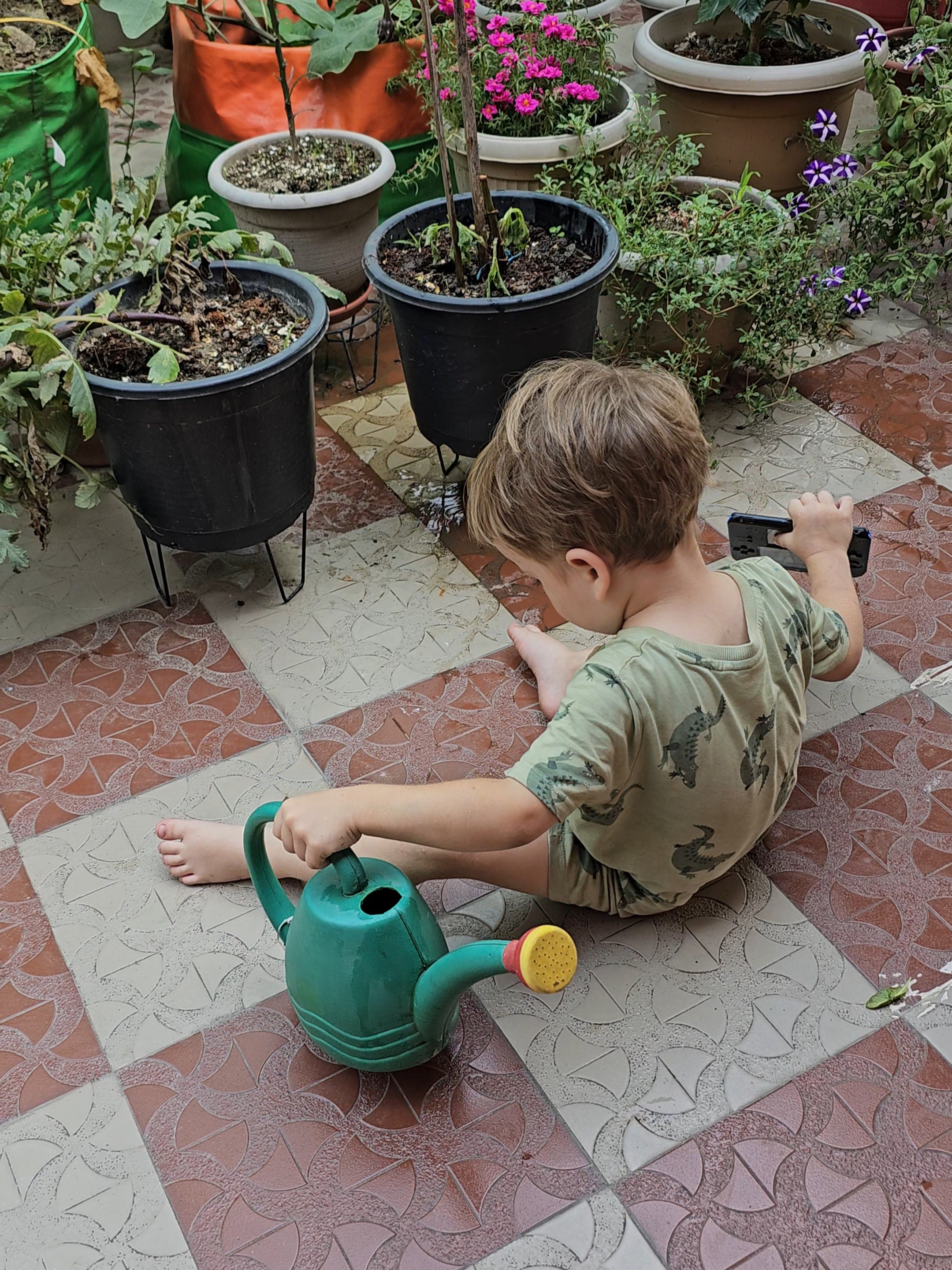
The Rechsteiners stayed with us for about a week. During the initial days, we were caught up in our usual whirlwind of work, and though we couldn’t spend much time together, their quiet presence was always felt. We would hear the children’s laughter drifting in from the terrace, their bare feet pattering across the floor, their games full of invention. Dylan, the youngest, could often be found earnestly watering the plants in our terrace garden, a ritual he seemed to perform with great purpose.
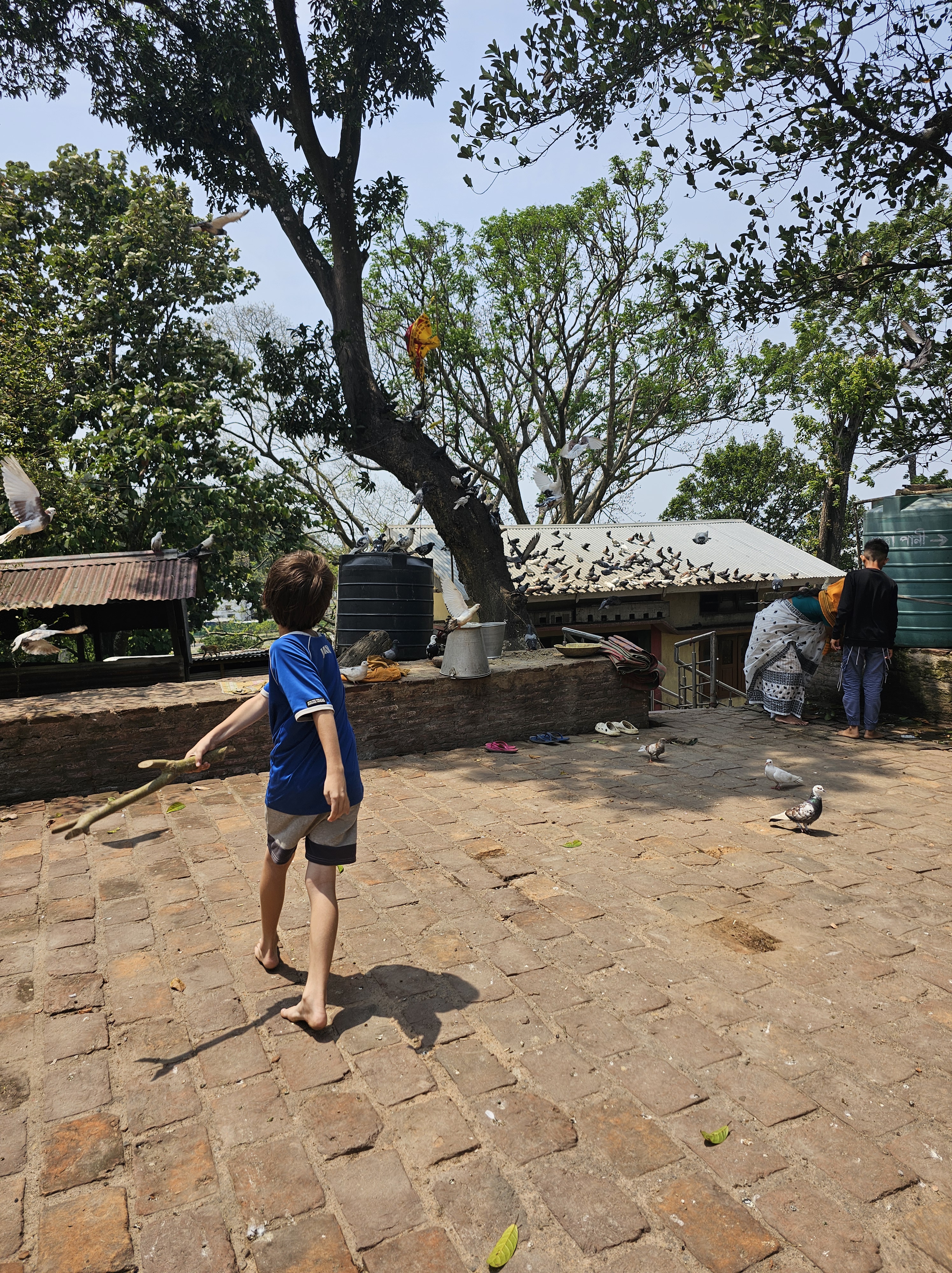
Occasionally, we would glimpse Vincent and Olive, the elder two, deep in conversation or exploring the private corners of the terrace, content in their sibling world. There was something rare about their self-sufficiency. No constant calls for screens or toys, no sighs of boredom or cravings for distraction. They seemed, somehow, satisfied with each other, with their surroundings, most of the time. Vincent, especially, struck me as unusually grounded for his age. Olive had more fire: she would sometimes spar with her younger brother over trivial things, but the storm passed as quickly as it arrived. They didn’t seem to hold grudges. Perhaps they have never even learned how.
Dylan, meanwhile, insisted on being treated like one of the big ones. He wanted to follow Yves everywhere, protesting passionately when left behind. And honestly, isn’t that what childhood should be? A child is meant to not understand everything, throw tantrums now and then, and not to be chided or threatened for that.
It was Yves’ request for help with their onward journey that finally drew us into deeper conversation. They needed assistance booking train tickets to Dimapur, and that’s where Prabhakar came in: with his years of experience in the Central Railway Mail Service, he knew every trick to make the journey both comfortable and cost-effective. So, we went upstairs to sort out the details.
That afternoon became a turning point.
We finally talked, not just about travel logistics, but about their life, their philosophy. Yves shared that they homeschool their children, that his travel vlogs and writings were what funded their nomadic life. While we spoke, Dylan emerged, as usual, watering a plant with such overzealous affection that we feared for its survival. But Yves and Corina didn’t stop him. They watched with quiet amusement. Many parents might have intervened, scolded the child for overwatering, for muddy clothes. But they didn’t. His curiosity mattered more than the mess. That moment stayed with me.
It was then that I knew I wanted to know them better, to spend more time with this family that carried their home in their hearts. I asked Prabhakar if we should take them for a little day trip, and he lit up. So, the day before their departure, we took them to Silghat, Hatimura, and Kaziranga. A small gesture, really, but one that opened a wide doorway of connection.
It was during our day trip that I began to sense the difference – not just between children who go to conventional schools and those who are homeschooled – but between the homeschooled and the world-schooled. The former, in many cases, still follow a structured syllabus, often confined within four walls, even if at home. But what I witnessed in Yves and Corina’s children was something else entirely. Their education unfolded in real-time: fluid, sensory, spontaneous, tied not to textbooks but to the living, breathing world around them.
As we began the trip, Dylan, ever the curious explorer, had set his eyes on the handbrake. “What is this?” he asked, pointing to it with the seriousness of a scientist discovering a new specimen. Yves, calm and precise, replied, “It’s the handbrake. It stops the car when it’s pulled up.”
Dylan, as if testing the logic, repeated, “If I pull it up… will the car stop?” And before we could anticipate his next move, he had already begun to reach for it while we were at full speed.
But both Yves and Corina reacted with astonishing calm and swiftness. They stopped him gently, no panic, no raised voices. No scolding. Instead, they explained – with clarity and respect – that the handbrake is to be used only when the car is already still. That pulling it while in motion could cause an accident, and everyone in the car might get hurt. Dylan paused. Absorbed. Understood. And just like that, the moment passed: not as a crisis, but as a lesson.
What struck me most was what didn’t happen. There was no reprimand, no shame, no alarm. Just presence. A lesson delivered with honesty and trust in the child’s intelligence.
The older two siblings listened quietly, absorbing it all. And Dylan, unfazed, only grew more curious. Why does it cause the car to stop? How does it work?…
Their curiosity knew no bounds. Questions spilled from their lips like waterfalls, especially from Dylan, whose eyes were just beginning to grasp the vastness of the world. And what made it magical was how Vincent and Olive, almost instinctively took up the responsibility of answering. From celestial bodies to crawling insects, they were already becoming walking encyclopedias. Dylan absorbed it all like a sponge, but never failed to question if he had doubts. Yves and Corina allowed the older ones to speak first, stepping in only when needed, gently guiding without dominating. And when the kids didn’t know something, the parents didn’t dismiss the question, they explored it together, as a family.
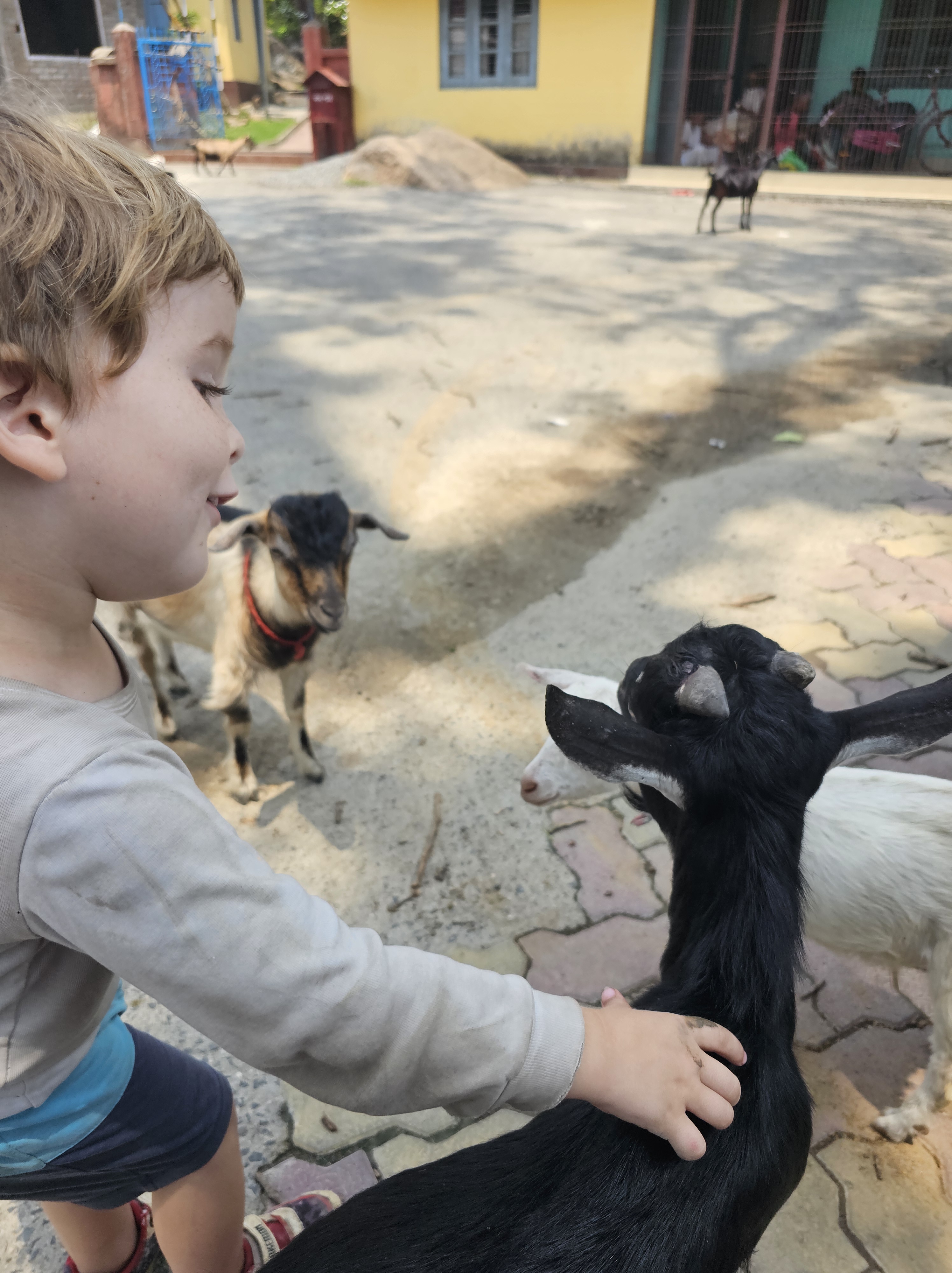
What struck me most was how sensory their learning was. They didn’t just see, they noticed. They didn’t just ask, they felt. When Dylan first saw goat droppings, he was enchanted, not repulsed, and asked how it would feel to touch them. Rather than shut him down, Corina and Prabhakar (because he was loving his time with these children) laughed and explained it would likely be sticky and smelly, asking if he still wanted to try. Curiosity met with patience. Prabhakar has the same approach with his child as well, although I could say he was learning more about parenting from Yves and Corina.
In another delightfully absurd conversation, the kids wondered where cars came from. Dylan imagined they might be bought at the same store where they got their groceries. Olive, wide-eyed and thoughtful, concluded they must come from a store that sells only cars. Vincent, ever the quiet thinker, added that maybe different car parts come from different stores, and together they launched into a long imaginative discourse on cars, building houses, and why they were needed. Prabhakar and I watched with quiet smiles and the kind of awe that’s rare in our adult days. Yves and Corina, of course, were all laughter and warmth.
I assume Yves and Corina hadn’t yet introduced their children to the luxuries of owning a car or even travelling frequently by one. As we cruised through quiet roads that day, I found myself waiting, almost eagerly, to hear how Corina would respond when the inevitable question arose: Why do people need cars?
Her reply was simple. Calm. Factual. She said, “People need cars to commute quickly between home and work. It makes life a little easier.”
That was it.
No undertones of guilt for choosing otherwise. No romanticising the lack of it. No subtle hints of longing. Just a neutral observation, offered without emotional baggage, so the children could absorb it for what it was. A fact. Not a value. Not a dream. Not a symbol of success.
It struck me deeply. In that small exchange, I saw how they were raising their children not just to question the world, but to perceive it without inherited judgments. To choose, eventually, for themselves what mattered, and what didn’t.
What a lesson! For them, for us, for all of us still learning how to live without being owned by the things we own.
At Silghat, they were fascinated by the wild tomatoes by the river Brahmaputra. They crafted imaginary weapons from fallen branches, turning into mythical characters on a deserted road while we grown-ups slipped into conversation. Yves turned to us, eyes gleaming, and said, “This place is beautiful.” Later, Prabhakar told me, almost in disbelief, “Imagine, they come from Switzerland, one of the most scenic countries in the world, and still they find Silghat beautiful. I guess nature is beautiful everywhere to those who know how to look.”
At Hatimura, the monkeys and goats sparked their fascination; in Kaziranga, they were lucky to witness wild elephants and one-horned rhinoceroses roaming freely in their habitat. Even Yves and Corina were seeing them for the first time. We ended the day with a small picnic on a patch of tea garden by the roadside, sharing food and stories under open skies. On the drive back, Dylan fell asleep, exhausted and content. The elder two sat quietly, watching the world pass by, occasionally nudging Corina with questions. Always wondering. Always learning.
Corina, I noticed, had a subtle brilliance about her. She wove learning into conversation effortlessly. Which cuisine came from which country, why people travelled by cars, which city was whose capital: each question a doorway. She asked spontaneous quizzes, and the children responded with glee. That was their idea of fun. At one point, when we came across a bael fruit in Silghat, I explained it was called Wood Apple. Olive was fascinated and collected a couple. On the way back, Dylan asked her why it was called that, since it clearly didn’t have any wood in it. Olive replied, “Maybe because its shell is hard. And anyway, it’s named Wood Apple, so we call it that even if it doesn’t have wood inside.” Her answer, I felt, was as delightfully logical as it was poetic.
Three things stood out about the children, above all else:
First, not once did they demand to stop for snacks or toys, not unless it was to marvel at something they saw or to stretch their legs. They were not used to being cooped up in a congested car seat for far too long. They would rather walk. Dylan even asked once why we weren’t walking to wherever we were going!
Second, they never judged anything. Their questions were open-ended, rooted in curiosity, not in assumptions. Logic thrived where negativity had no room to grow.
And third, they disliked most things artificial. They couldn’t force themselves to socialize for the sake of politeness, nor were they expected to. Yves and Corina never taught them to feign courtesy. They were not burdened with the pressure to perform or to please. None of them, not even Corina, seemed concerned with documenting the day for the sake of social media, except for the occasional entry Yves might include in his blog. Their phones remained mostly untouched, and the children – blissfully untouched by the screen’s pull – remained present in the moment, in awe, in wonder.
Spending time with the Rechsteiners didn’t just reveal a different approach to parenting; it held up a quiet mirror to our own lives. As I observed their way of being in the world, I began to wonder: what does it mean to unschool oneself as an adult?
We speak of worldschooling children, of letting them learn through lived experience, through cultures and conversations and open skies. But perhaps the real beginning lies in adults shedding the layers of conditioning we have mistaken for wisdom. Yves and Corina hadn’t just chosen to homeschool their children, they had unschooled themselves first. They had unlearnt the hurry, the habit of measuring life through timetables, and the belief that knowledge sits in books and degrees alone.
In their presence, you could feel the absence of performance. No desperate need to impress, no curated personas, no need to explain why they had chosen a different path. They weren’t running away from society; they had simply chosen to move with it differently. That, I realized, is what made their parenting so authentic. Because you cannot raise free, curious children if you yourself are still imprisoned by the rules of ‘should’ and ‘must’.
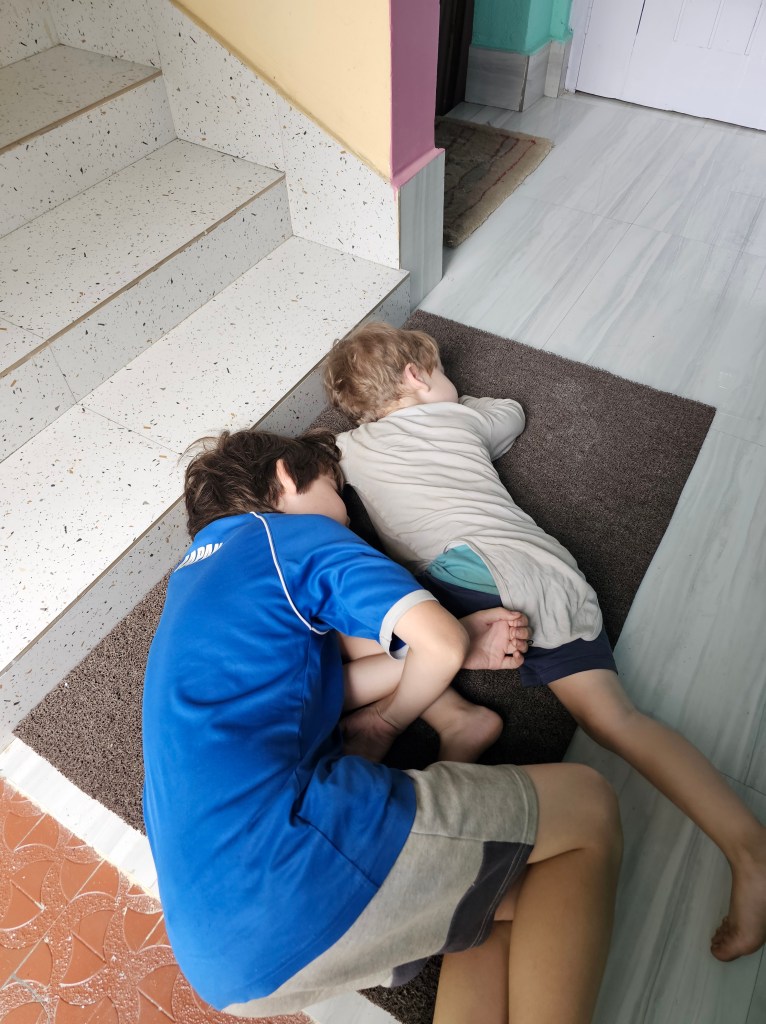
Worldschooling is not just about geography; it is a philosophy. It teaches that learning can happen beside a riverbank in Assam, just as much as in the Alps. That a conversation about goat droppings or bael fruits can be more insightful than a textbook; that questions are sacred, and answers are always evolving.
But it’s not just the children who learn this way.
When you unschool yourself, the world changes its shape. You begin to listen without interruption, to observe without rushing to label. You allow for silence, for detours, for mystery. You grow comfortable with not knowing, and in doing so, make room for genuine understanding. You begin to see how the most vibrant knowledge often arises when curiosity is allowed to wander unchained.
There was something deeply healing about being with the Rechsteiners. Their family rhythm reminded me that education is not just the passing down of information; it’s the nurturing of wonder. And that, perhaps, the best thing we can do for the next generation is to pause, unlearn, and begin again: not as teachers, but as fellow explorers on the same winding road.
That evening, after returning home, I found myself drawn to Yves’ vlogs. One after another, I watched them – windows into their wandering lives – and a quiet truth began to unfold. This family, so self-sufficient in spirit, also relies on the world as their extended home. They lean on the kindness of strangers, the generosity of those who resonate with their journey. Donations, small gestures, warm invitations – this is what sustains their travels. Not just financially, but emotionally. They trust that the world, in all its chaos and beauty, will take them in.
And isn’t that a radical kind of faith? To live a life where community isn’t just a concept, but a living, breathing lifeline. Yes, we all make different choices: to belong, to break away, to rebuild, to wander. But perhaps the most transformative choices are those that ripple outward, gently reminding others of what’s possible. Yves and Corina are doing just that. Not as crusaders, but as quiet catalysts, showing us what freedom might look like if we dared to trust a little more.
I don’t earn enough yet to support them through donations but this blog is my way of offering something back. A small tribute to their way of life. A thank you for raising children I wish I had been like, and for living a story that gives the rest of us something to reflect upon. This is my contribution to make their story known, to pass the spark forward.
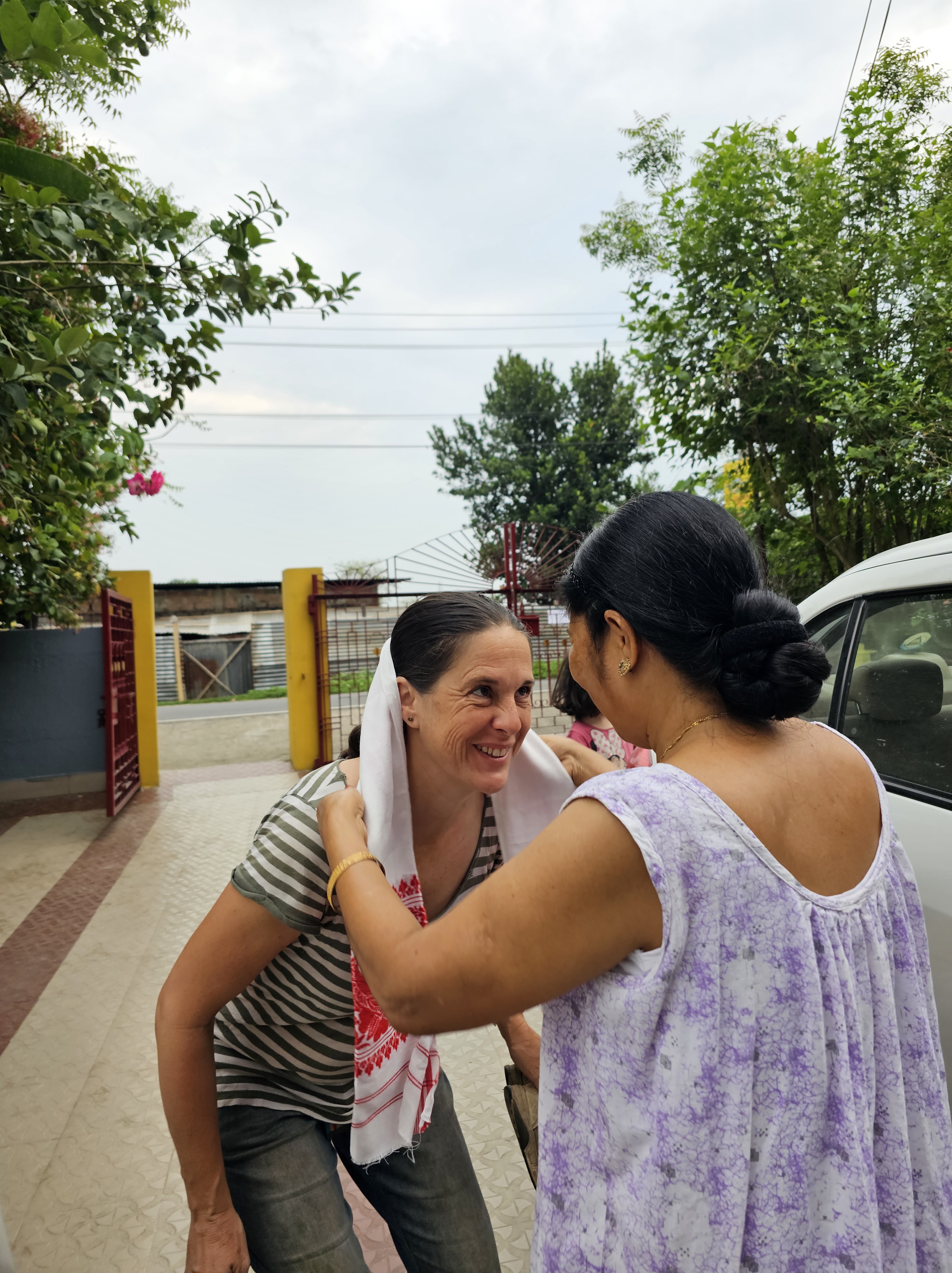
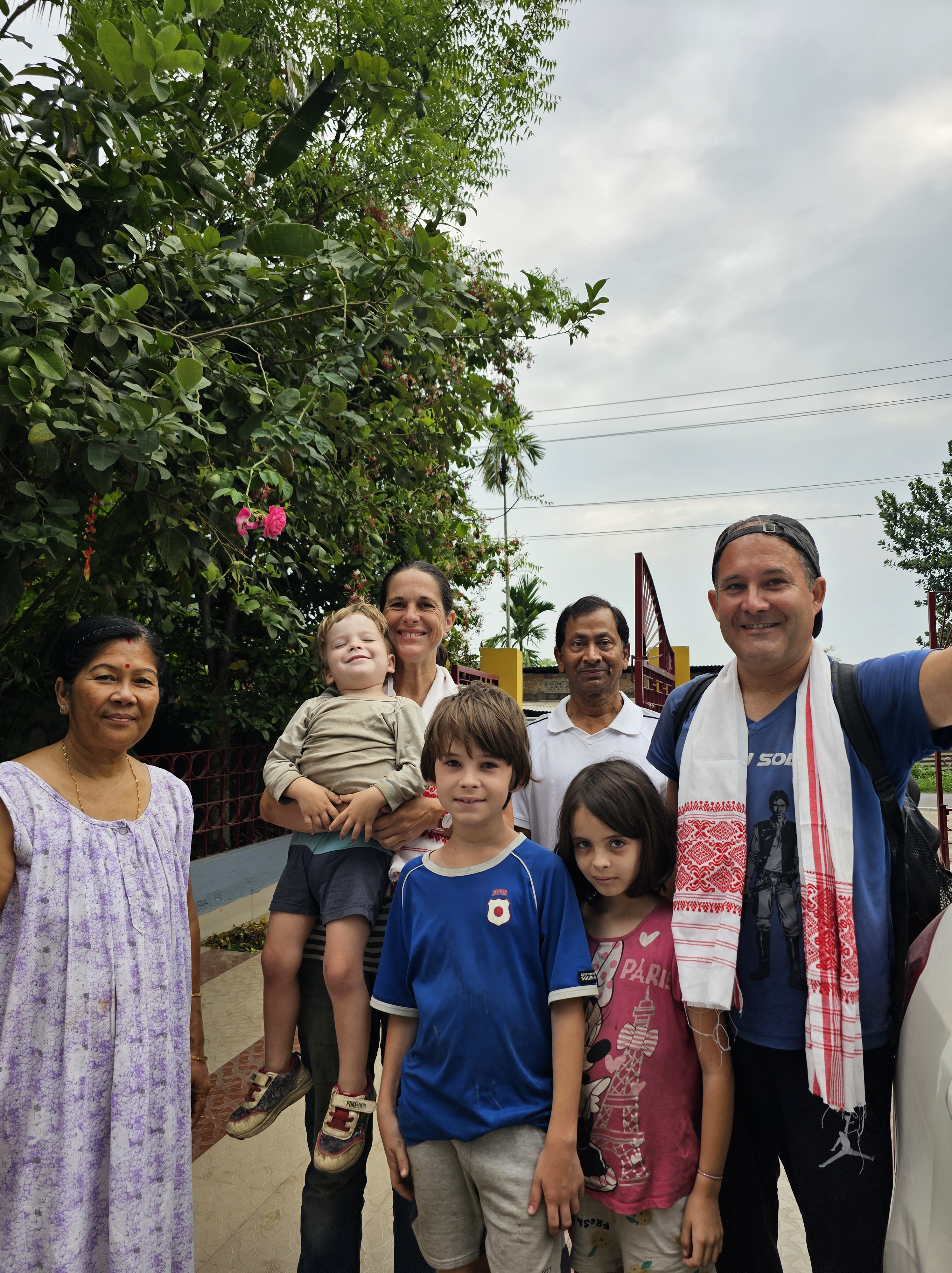
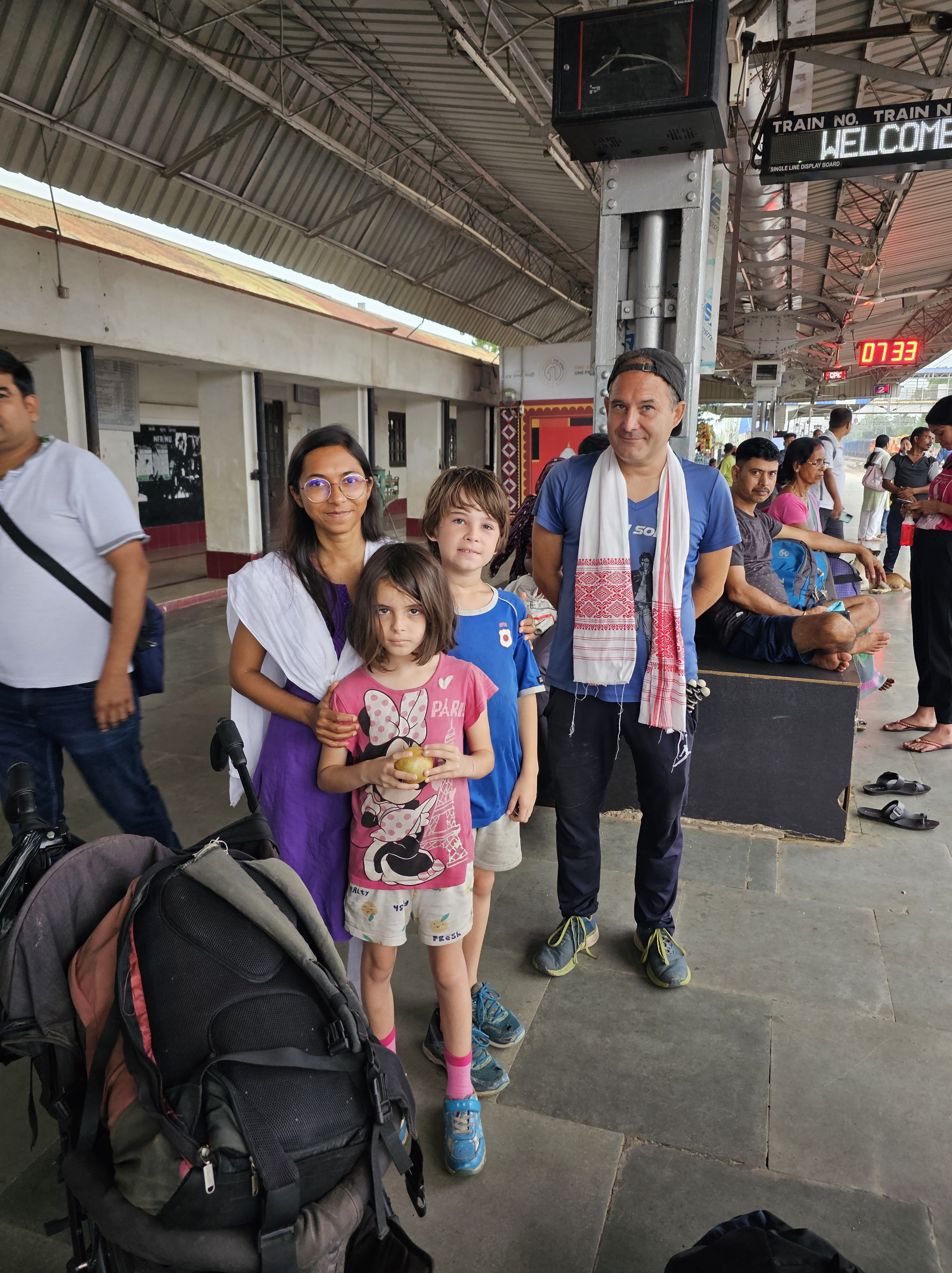
And who knows? Maybe someone reading this will feel called to help them, to support Yves’ vlogs, or simply to believe in the value of world-schooling and the quiet revolution of conscious parenting. In a world often ruled by fear and structure, stories like theirs are worth nurturing because they remind us of the wild, wonderful possibility of a life lived on one’s own terms.
 Casually Classical
Leave a comment