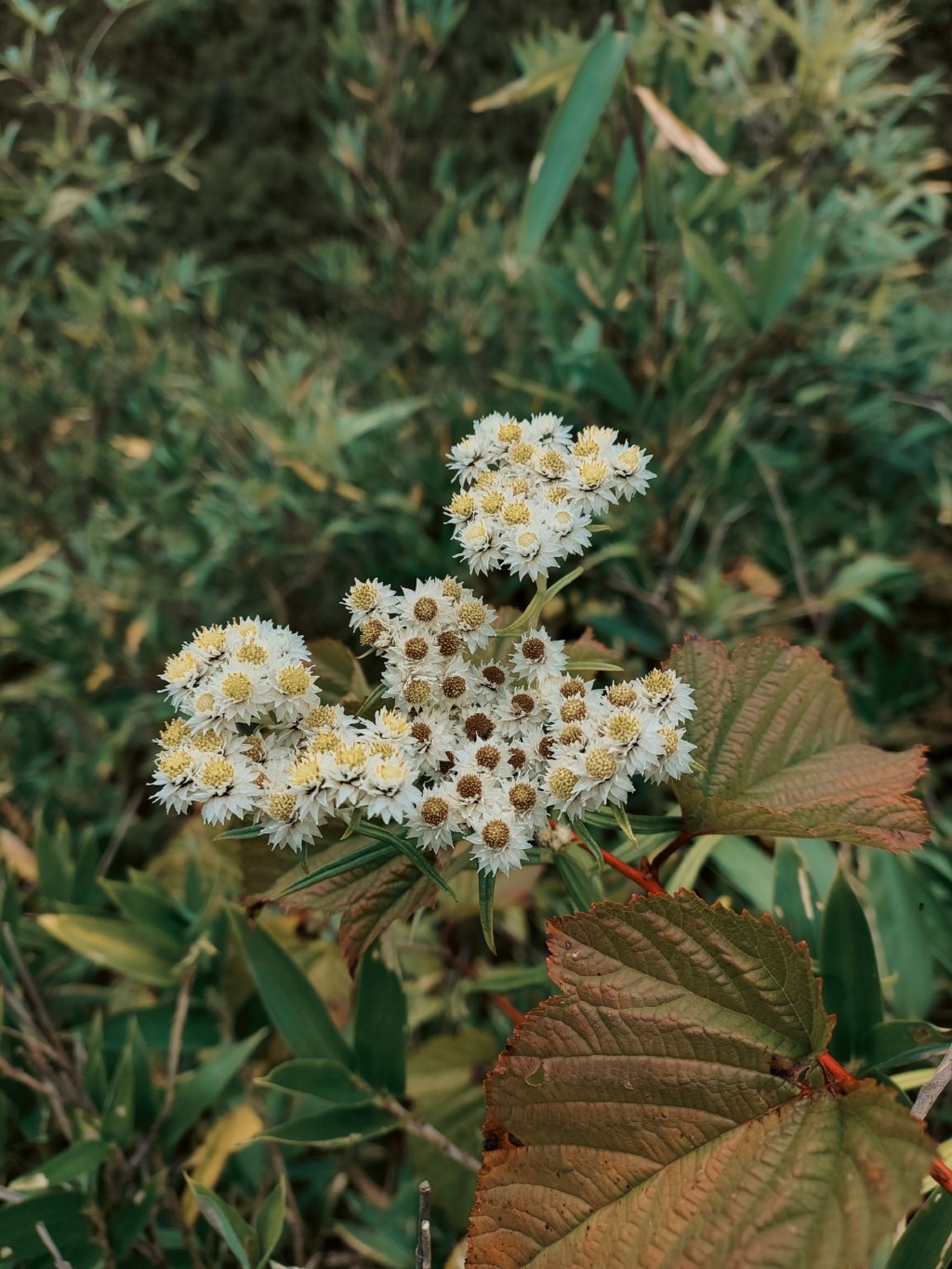
What does it take to be a wildflower? Clarity and courage, maybe? It must be that, for what else will make them bloom so bright and unbridled? Maybe they know where to grow, how much to take from the earth and give back, to live happily? Maybe they aren’t looking to belong?
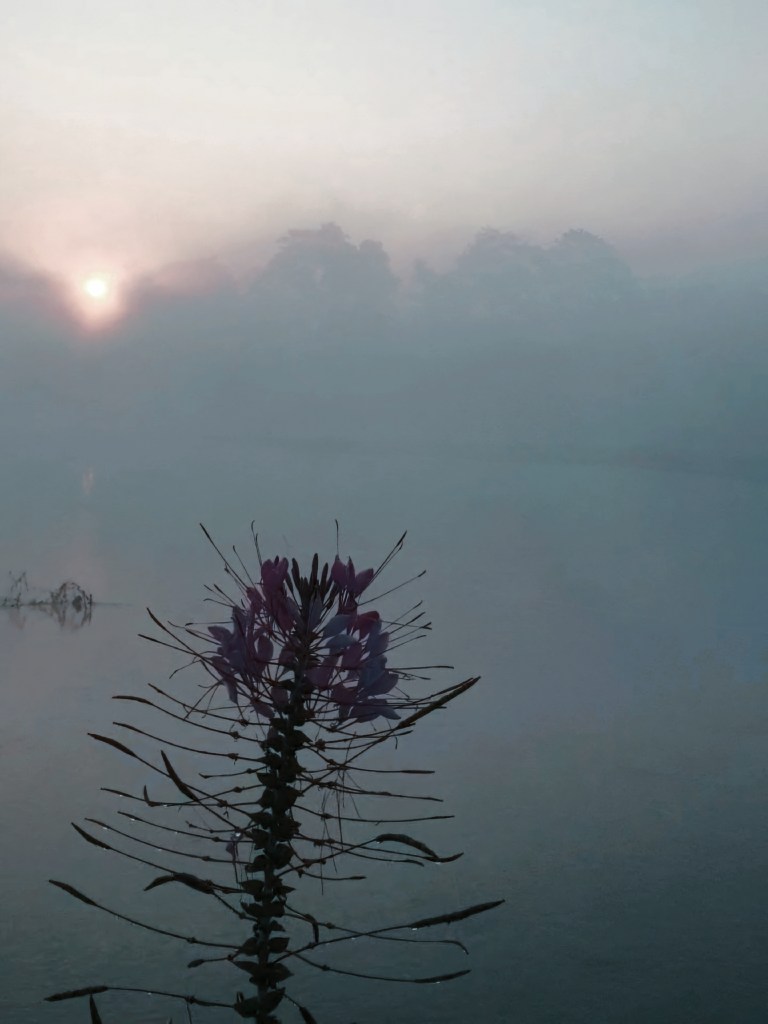
We live to be happy; not necessarily happily, isn’t it? We achieve, attain, gather and showcase what we have and what we did, not always to flaunt but genuinely wanting to share our happiness, because it is so occasional. Yet, only to realize the happy moment is past now and we must tread and toil some more for more happy moments. We spend our precious breaths and trade our happiness for happy moments.
Is it worth it?
Sometimes, perhaps, it is better to take a step back and reflect: are we making someone else’s idea of happiness ours? Do we have the clarity and courage to accept ourselves as we are, with all our oddities and flaws and all those wishes which emerge from our unique traits and our own unique life stories? Is looking for validation every moment, to be a part of a herd at all times worth it? Can we not create validation for ourselves, in ourselves, instead of looking for it elsewhere?
One toddler might be happy gazing at the stars, while another may love playing with toys. One man might feel happier being a homemaker, while another being the breadwinner. Some women look forward to the thrill of riding pillion, while some find the same thrill in driving. Some older folks might find fulfilment being with their grandchildren, while some might wish to remain the wanderers they were and wander some more. Must we imprison ourselves in the ideas of a culture and their counter-cultures, because our experiences and eccentricities must also belong?
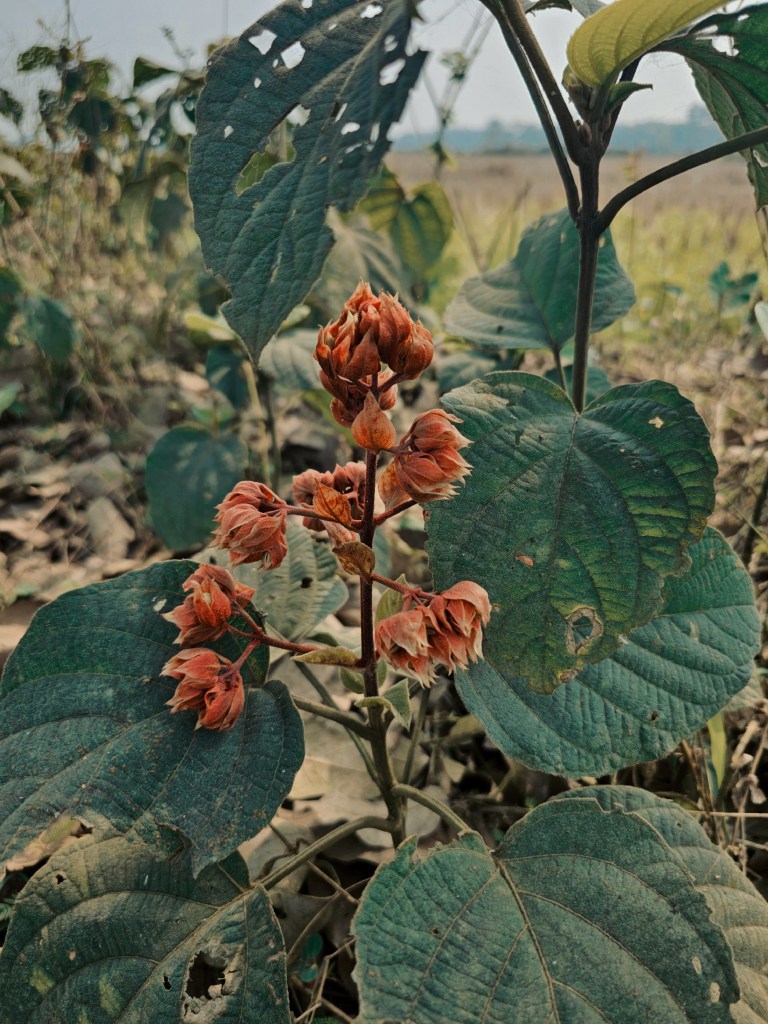
Why is the deviant, someone who doesn’t belong, a stranger?
A man who prefers romantic movies over action films, a woman who choses to be a full time mother over a bright career, a farmer who loves to keep himself updated on gadgets, a spiritual seeker who likes to eat gourmet food once in a while, a corporate job holder who spends his weekends serving in a monastery, a cobbler who prefers his independent work over a secure factory job on offer; someone who likes pungent scents over fragrances, someone who revels in the overhead high-noon sun than sunrises and sunsets, someone who prefers working at night because he gets better sleep during daytime. Each of these is a deviant, comfortable in their own skin. They know what keeps them happy.
If we all become deviants, we might still not belong, but we will not be strangers any longer. Will we?
Must we create so many identities, and mull over which ones are better, which ones to belong to, and even fight for them once chosen? Can we not be fluid? If not, when do we get time to be happy? Oh, but we are fighting for a few moments of happiness, not a perpetual one, isn’t it? We do not choose to be happy every moment and live happily, because for that we need the courage to be a deviant and not belong to anyone, to any culture. We choose ease over happiness.
Cultures (even counter-cultures for that matter) will set boundaries of expected behaviour, and while going along to some extent is required for a society to be functional, to deviate with clarity and courage is what is perhaps needed for us to be happier and hence more functional? Individuals make societies, but if societies start making individuals, isn’t it a sad state of affairs? Deviants make brighter societies, for they will be fluid, impermanent. They will create more deviants. They will make happiness the norm, instead of something to be pursued.
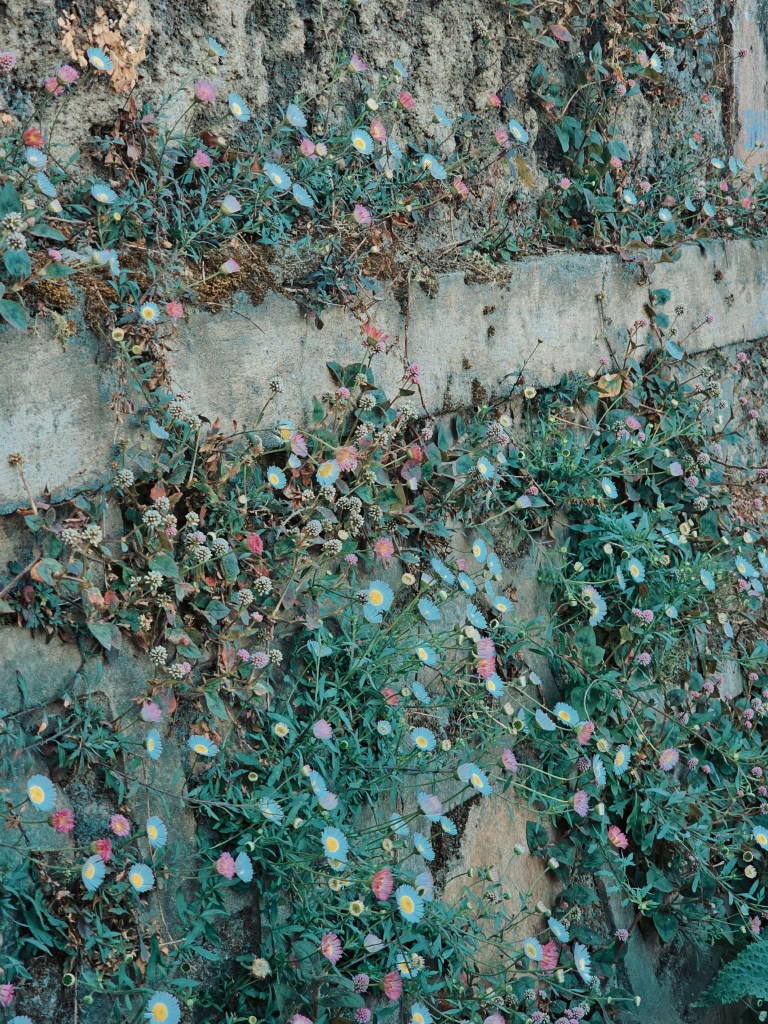
Wildflowers, independent of anyone’s care, surrendered to nature’s whims, are always stronger and resilient than their cultivated companions. Wildflowers are deviants. They are perennially happy.
Shall we try to be wildflowers…?
 Casually Classical
Leave a comment